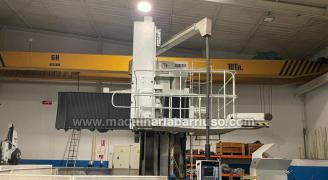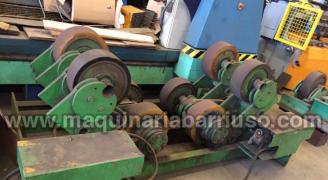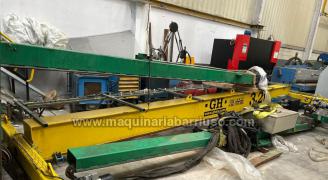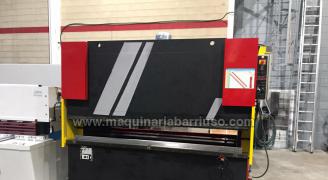
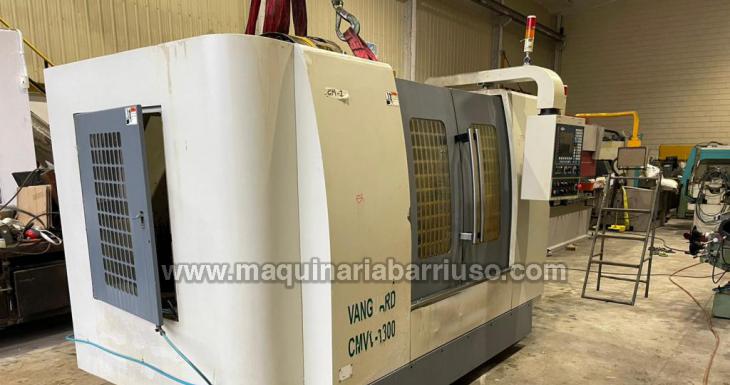
Machining centers are computer numerical control (CNC) machine tools designed to manufacture high-precision parts. These machines stand out for their automation capabilities and versatility in a wide range of industrial applications.
In this guide, we will explore the different types of machining centers, their applications, main components, and why considering the purchase of second-hand equipment can be a smart choice.
What is a CNC machining center?
A CNC machining center is a machine equipped with cutting tools such as milling machines, drills, and lathes, controlled by software that allows specific designs to be programmed.
Main Features:
- Automation: Works autonomously following programmed instructions.
- Multi-axis movements: Allows complex cuts and machining in 3, 4, or even 5 axes.
- Precision: Ensures consistent and high-quality results.
Components of a machining center
Understanding the components of a machining center is essential to grasp its operation:
- Worktable: Where the piece to be machined is held.
- Spindle: Rotating shaft that drives the cutting tools.
- Interchangeable tools: Milling cutters, drills, and more, adapted to different operations.
- CNC control system: Enables programming and monitoring of operations.
- Tool turret: Facilitates quick tool changes to increase efficiency.
Types of machining centers
There are several types of machining centers depending on their applications:
- Vertical machining center: Ideal for smaller parts and precision operations.
- Horizontal machining center: Perfect for large or heavy parts, with better chip evacuation.
- Five-axis machining center: Designed for complex machining at multiple angles.
- Three-axis machining centers: Common in small workshops due to their simplicity and efficiency.
What is component machining?
Component machining involves working materials such as metals, plastics, and composites to shape them to specific dimensions and finishes.
Examples of applications:
- Parts for heavy machinery.
- Components for lifting systems.
- Custom tools for the automotive industry.
Advantages of CNC machining centers
- High productivity: Perform multiple operations in a single setup.
- Flexibility: Can adapt to different designs and materials.
- Error reduction: Thanks to numerical control, human errors are minimized.
Considerations about the price of machining centers
The price of a CNC machining center varies depending on:
- Size: Larger models have a higher cost.
- Configuration: Five-axis equipment is usually more expensive than three-axis models.
- Condition: Second-hand equipment is significantly more affordable.
Why choose a second-hand machining center
- Accessible cost: Ideal for companies seeking quality without exceeding their budget.
- Immediate availability: Enables operations to start without long waits.
- Proven quality: Machines with a known history and tested performance.
CNC machining centers are essential tools in modern industry, combining precision, efficiency, and versatility. Whether you need to manufacture complex components or increase your plant's productivity, these machines represent a solid investment.
At Maquinaria Barriuso, we are committed to offering you the best new and second-hand machining centers. Contact us today for personalized advice and to take your production to the next level.