

Hydraulic Cylinders: What Are They?
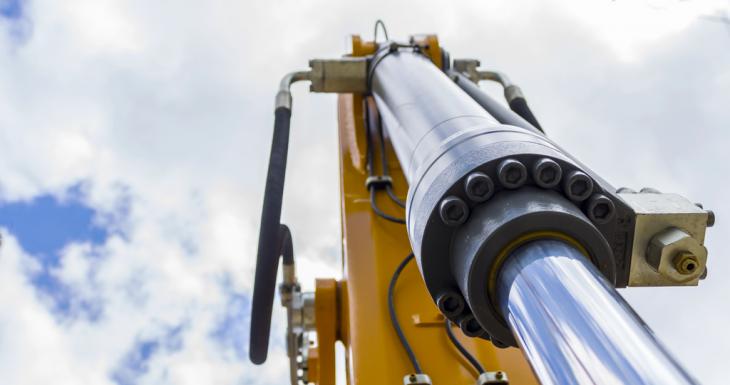
Hydraulic cylinders are mechanical actuators designed to transmit energy from a fluid through a linear path using a constant force. This means they convert rotary motion into linear motion.
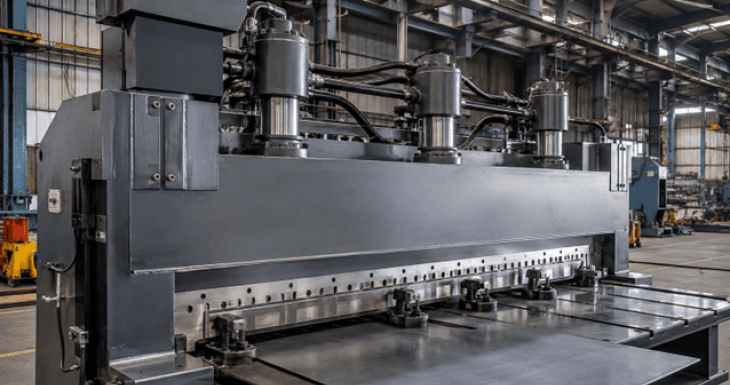
The fluid inside is typically industrial oil. Their applications are diverse—not only are they used for bending materials, but they can also be found in both industrial and mobile applications.
Hydraulic cylinders are essential components in industrial machinery such as excavators, platforms, lifts, dump trucks, and packaging machines, among others. They are the most efficient method for industrial tasks such as lifting, lowering, pushing, pulling, bending, or holding objects of various weights and sizes.
The mechanism of hydraulic cylinders is based on the application of a traction force, and in some cases, a constant compression force, from the beginning to the end of the fluid's stroke. Additionally, the fluid speed depends on both flow rate and piston surface area.
Main Components of Hydraulic Cylinders
Hydraulic cylinders consist of two primary parts:
- The barrel cylinder
- A piston or plunger, which acts as a motor that moves inside the cylinder to interact with the fluid.
Types of Hydraulic Cylinders
Based on their function, hydraulic cylinders are classified into:
- Single-acting or double-acting cylinders
- Rod cylinders (stronger, for heavy-duty tasks)
- Welded cylinders (weaker and smaller, for lighter work)
- Specialized cylinders (for custom-built and specialized industrial machinery)
Types of Cylinders Found in Industrial Machinery
Many industrial machines use different types of hydraulic cylinders, each with a specific function.
For example, an excavator or loader uses multiple types of hydraulic cylinders. Here’s a breakdown of the main ones:
Bucket Cylinder
This cylinder allows movement of the bucket or any other attachment mounted on the quick coupler.
Boom Cylinder
This cylinder controls the movement of the boom and manages the force the excavator applies when lifting materials.
Arm Cylinder
The arm cylinder enables the machine to perform excavation movements through its controls, adjusting the position depending on the required task.
Suspension Cylinder
Used in the hydropneumatic suspension system of an excavator, this cylinder absorbs frame oscillations and slows movements.
Steering Cylinder
This type of cylinder allows the operator to control the machine’s direction.
How to Choose the Right Hydraulic Industrial Cylinder?
Choosing the right hydraulic industrial cylinder for a specific application is crucial for optimal performance and reliability. Since there are many different types of cylinders, it’s essential to consider the following factors when selecting one:
- Operating conditions: The cylinder must be suited to a specific application, meaning it’s necessary to know the pressure level, applied force, and space constraints dictated by the machine's design.
- Extreme environments: Consider whether the machine will operate under high temperatures, humidity, or saltwater exposure, and whether the selected cylinders can withstand such conditions.
- Material selection: The type of metal used for the head, base, and bearings can make a significant difference in performance.
- Pressure fluctuations: Possible pressure drops and overpressure can affect the cylinder’s materials and functionality.
For expert guidance on selecting the best hydraulic cylinder, consulting with professionals is always a smart choice. At Maquinaria Barriuso, we have extensive experience in the purchase and sale of industrial machinery, including new, second-hand, and used industrial equipment. We can help you choose the right hydraulic cylinder for your workshop, factory, or industry. Contact us today!