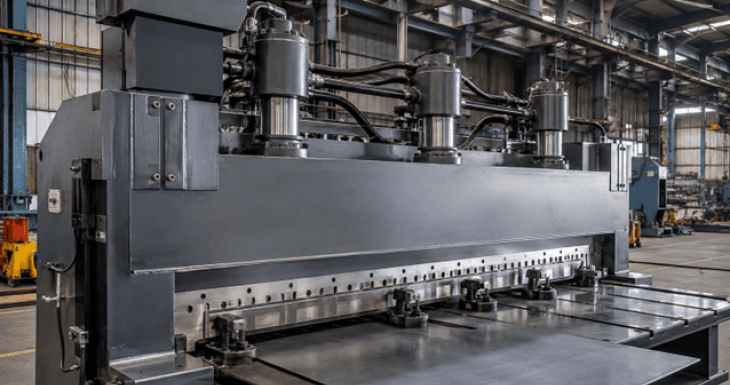


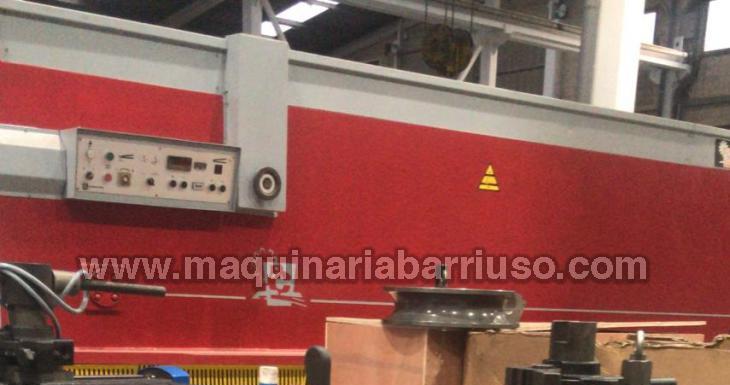
If you are looking for a tube and profile bending machine for your workshop, factory, or industry, read carefully! As experts in buying and selling industrial machinery, we provide you with the essential keys to choosing the right machine based on your specific needs.
Identify the Work You Will Perform with the Bending Machine
The first step is to identify what kind of work you will perform with the machine. It is essential to know whether you need a tube bending machine for round pipes or a profile bender for square shapes, as well as the maximum diameter and material you will work with. This will determine the size and type of industrial tube bender you need.
For example, if you work with round tubes, it is important to consider the machine's traction system, as some two-roller bending systems may have issues with tube slippage. In such cases, a round tube bender with three motorized rollers is much more efficient and ensures continuous and agile work.
Types of Bending Machines: Two or Three-Roller Traction?
When finish quality is not a critical factor and the jobs are sporadic, a bending machine with two motorized axes may be sufficient. This type of machine uses grooved rollers or dies to facilitate material traction. However, for more demanding tasks, a three-roller bending machine with all motorized axes provides greater precision and ease of use, especially when working with round tubes.
Pyramidal or Asymmetric?
When selecting an industrial bending machine, it is crucial to evaluate the mechanical design. There are two main systems:
Pyramidal Bending Machine
- In this system, only the upper roller moves vertically.
- It is ideal for bending large-diameter tubes due to the fixed distance between the lower rollers.
Asymmetric Bending Machine
- Allows adjustment of the side rollers' position to achieve smaller bending diameters.
- Perfect for varied tasks, such as bending pipes with smaller diameters.
Both systems have their advantages depending on your workshop's specific needs. If you work with different materials and sizes, an asymmetric profile bender may be the best option for its versatility.
Technical Aspects: Traction and Materials
- Hardened and Ground Axes: Essential for withstanding overloading without risk of breakage.
- Traction Systems:
- Bending machines with chain and sprocket traction may lose efficiency over time as the chain tends to stretch.
- Sprocket systems hardened by induction offer greater durability and precision over time.
- Tapered Bearings: More robust and reliable than conventional bearings, especially in machines subjected to high levels of stress.
How to Bend Round Tubes?
Bending round tubes requires a specific machine and proper adjustments to avoid issues like slippage. To achieve precise bending:
- Use a tube and profile bender with dies specifically designed for the material and tube diameter.
- Adjust the roller positions to avoid unnecessary movements during bending.
If you don’t have a machine, there are alternative methods to bend round tubes without a bender, but they are less efficient and may compromise the precision of the work.
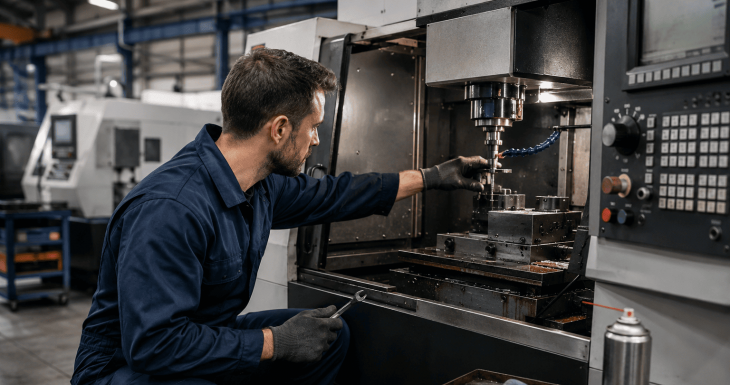
Maintenance and Protection of the Bending Machine
To extend your machine's lifespan:
- Regularly lubricate axes and moving components.
- Inspect traction systems to avoid loss of traction efficiency.
- Replace worn-out dies and rollers to maintain bending precision.
Choosing the right tube and profile bending machine ensures your workshop or factory operates with maximum efficiency and quality. At Maquinaria Barriuso, we are experts in new and second-hand industrial machinery. We help you select the best option based on your specific needs. Contact us for personalized advice and find the perfect machine for your business!